S.S. Île-de-France: the First Art Deco Ocean Liner
Published by Maurizio Eliseo of Carmania Press, this forthcoming volume is comprehensive history of the first art deco ocean liner, with more than 250 images, many never before published. It also boasts fold out general arrangement plans, cutaways, and specially commissioned artwork.
S.S. ÎLE-DE-FRANCE - THE FIRST ART DECO OCEAN LINER
About the Book
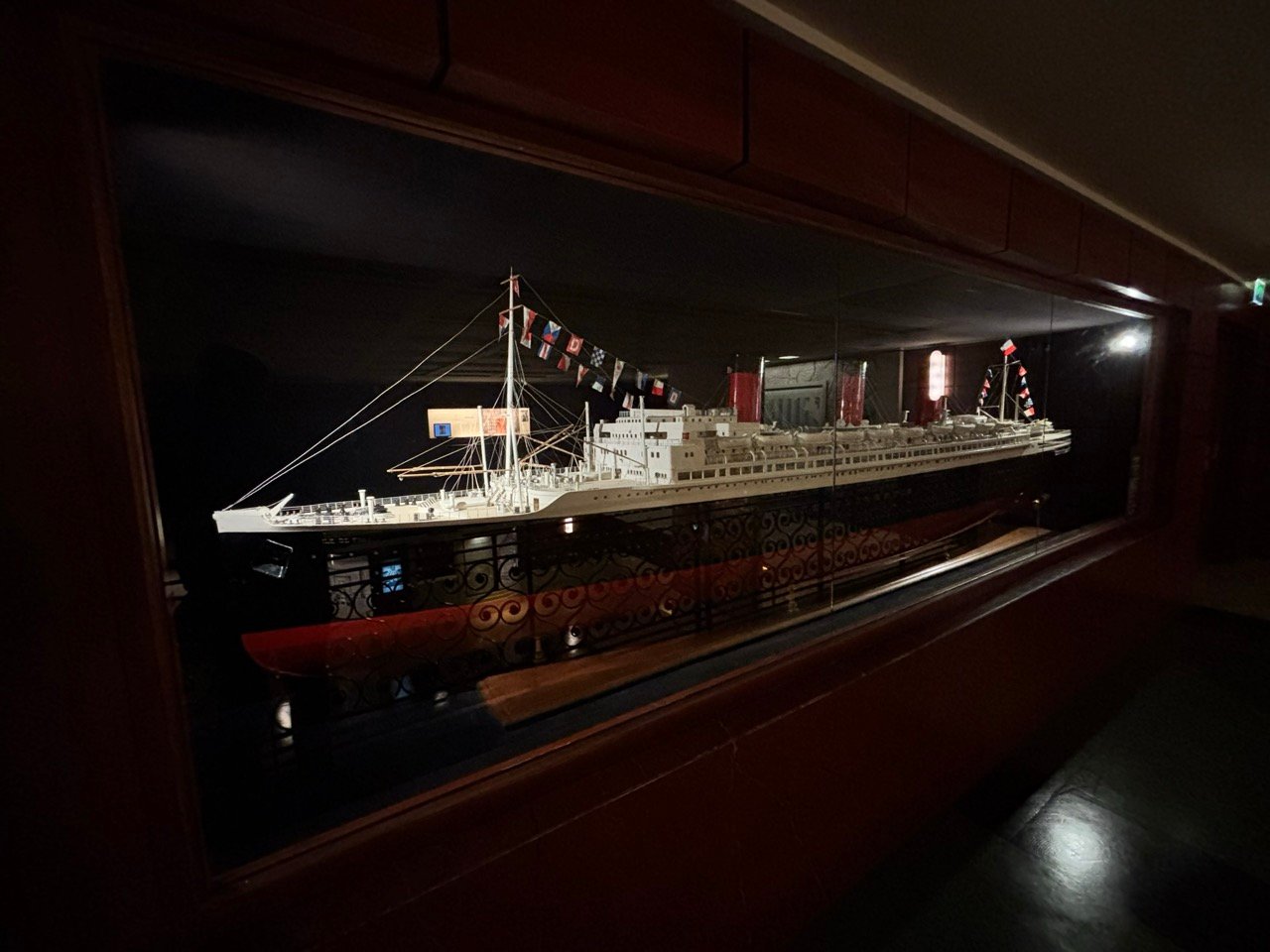
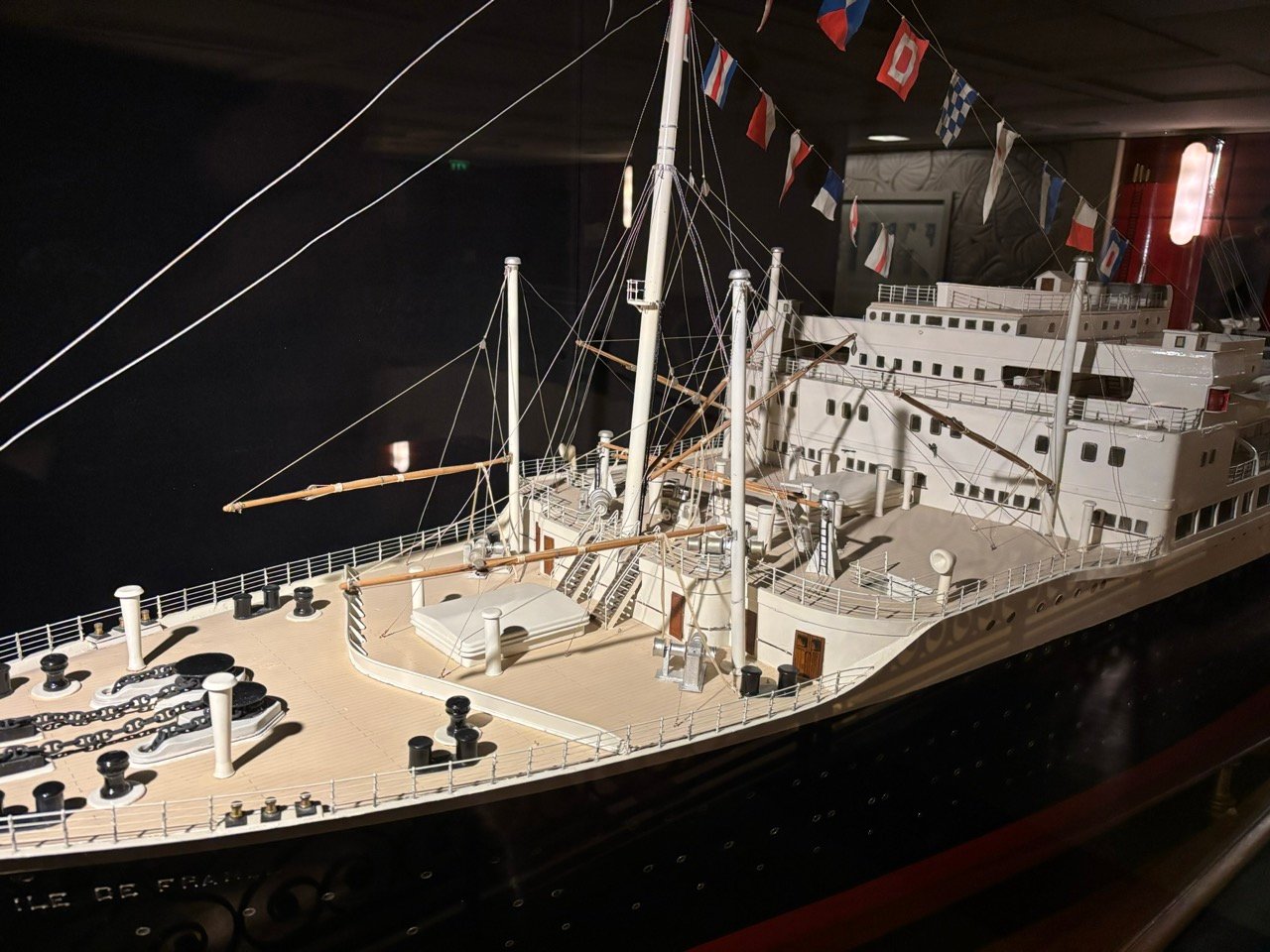
For thirty-one years, the S.S. Île-de-France was one of the most widely recognized and popular ships in the world. Although her name became a byword for Art Deco design and jazz age luxury, her success was equally due to her role as a stage for political and diplomatic pageantry, contributions to the Allied effort during World War II, and her rescue missions. This book seeks not just to tell her story, but also to discover how the liner became one of the most politically and culturally significant ships of the twentieth century.
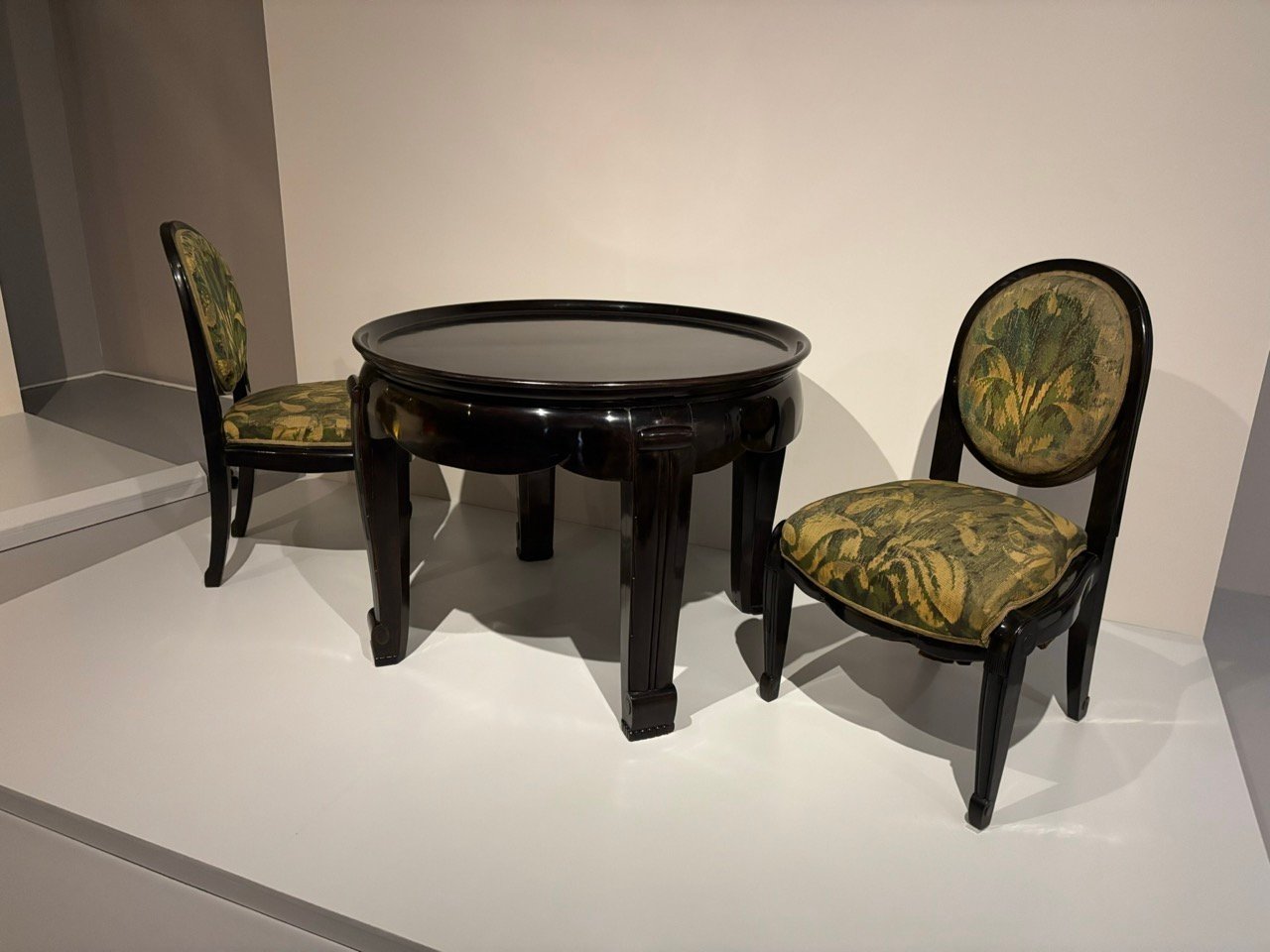
S.S. Île-de-France: the First Art Deco Ocean Liner is the first book that explores how the first major passenger ship designed and built after World War I became a cultural phenomenon. Her legendary Art Deco interiors were commissioned from artists and architects who were pioneers of French modernism—and were commissioned and assembled two years ahead of schedule so that they could be displayed in the 1925 Art Deco Exhibition in Paris alongside groundbreaking displays of modernism from the western world’s most prominent architects.
The liner’s role was equally a political one—an effort by her owners, the Compagnie Génerale Transatlantique to portray France as a leader among modern, liberal nations. She quickly became an ambassador of French culture across the Atlantic. Her extravagant Art Deco amenities wowed the public and made her the muse of authors, classical composers, Broadway playwrights, and film directors. Royalty, diplomats, business magnates, socialites, and starlets jostled for deluxe accommodation, while immigrants, tourists, and refugees filled the cheaper berths. Powerful stories from figures across the spectrum of twentieth century history all intersect in this ship, and sailing on board the Île-de-France became a statement of pride in French culture. Artists and passengers of color, such as Marian Anderson, found refuge on board from the racial prejudice they experienced from other shipping companies. William Bullitt, the American Ambassador to France, rescheduled diplomatic meetings in order sail on board. Ernest Hemingway favored the Île-de-France above all other liners, and viewed her as an eternal manifestation of the French spirit. Her popularity took on a life of its own in both Europe and particularly America, and she became a pop culture phenomenon: her name appeared in songs and her image on movie screens. By the 1930s, New York society matrons were throwing Île-de-France-themed parties at hotels and country clubs. This international reputation was cemented during World War II when she became the only large French ship to serve the Allied cause, sailing around the globe, usually alone, on dangerous transport missions carrying thousands of people. During the 1950s, she saved hundreds of lives across the course of twelve high seas rescue missions, earning rare honors from the French, American, and British governments. Most of these episodes from the Île-de-France’s career have never before been published.
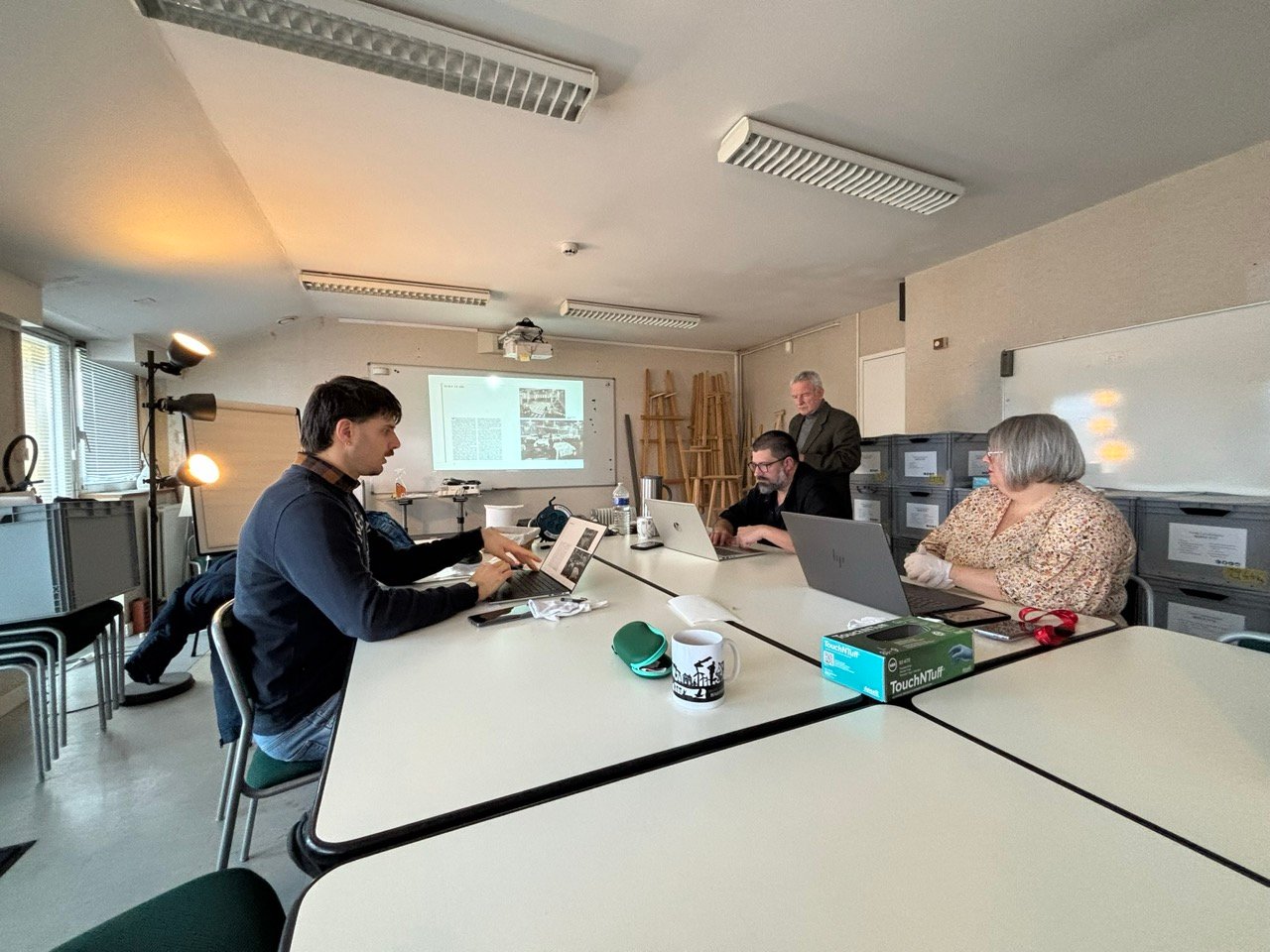
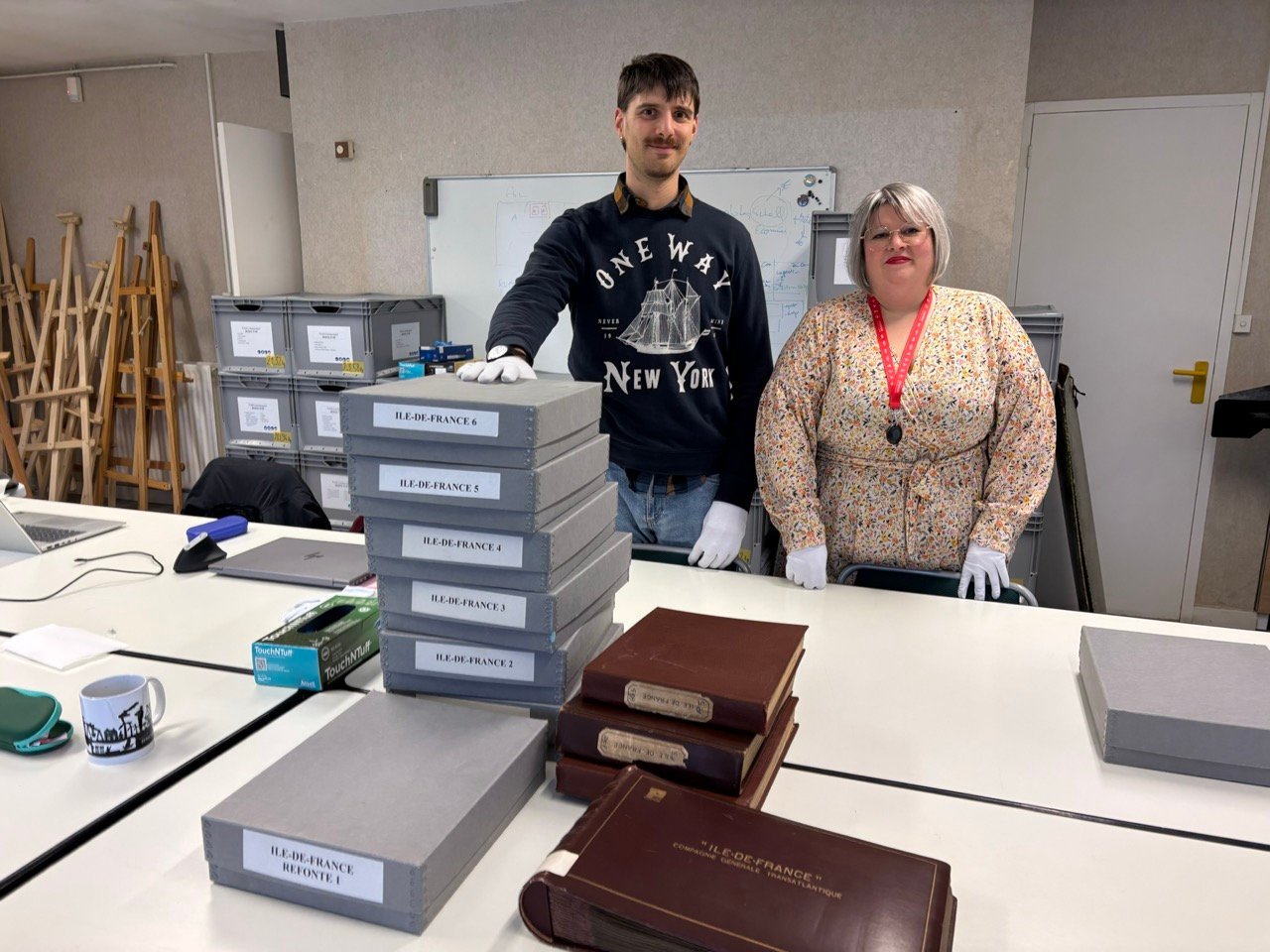
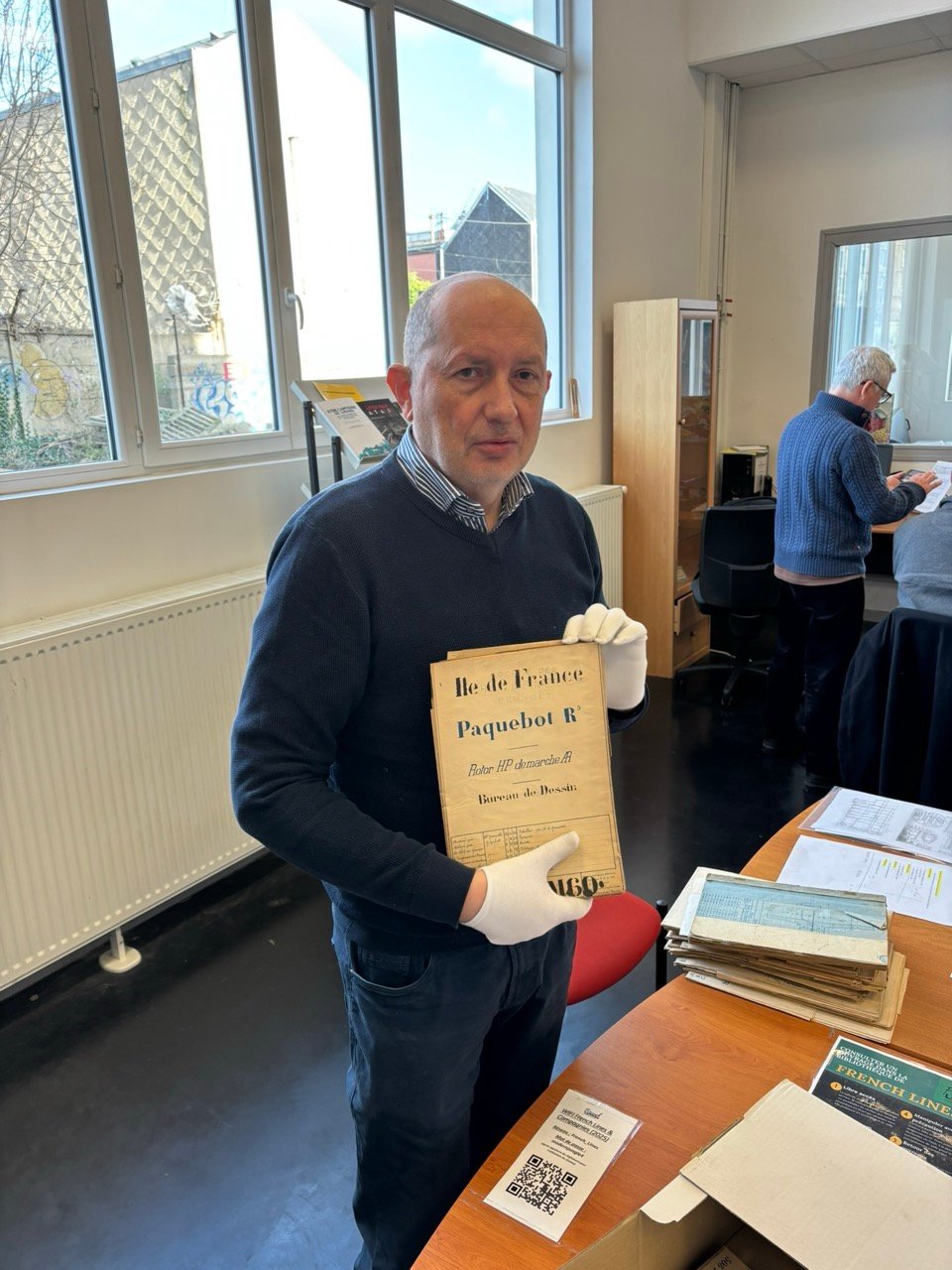
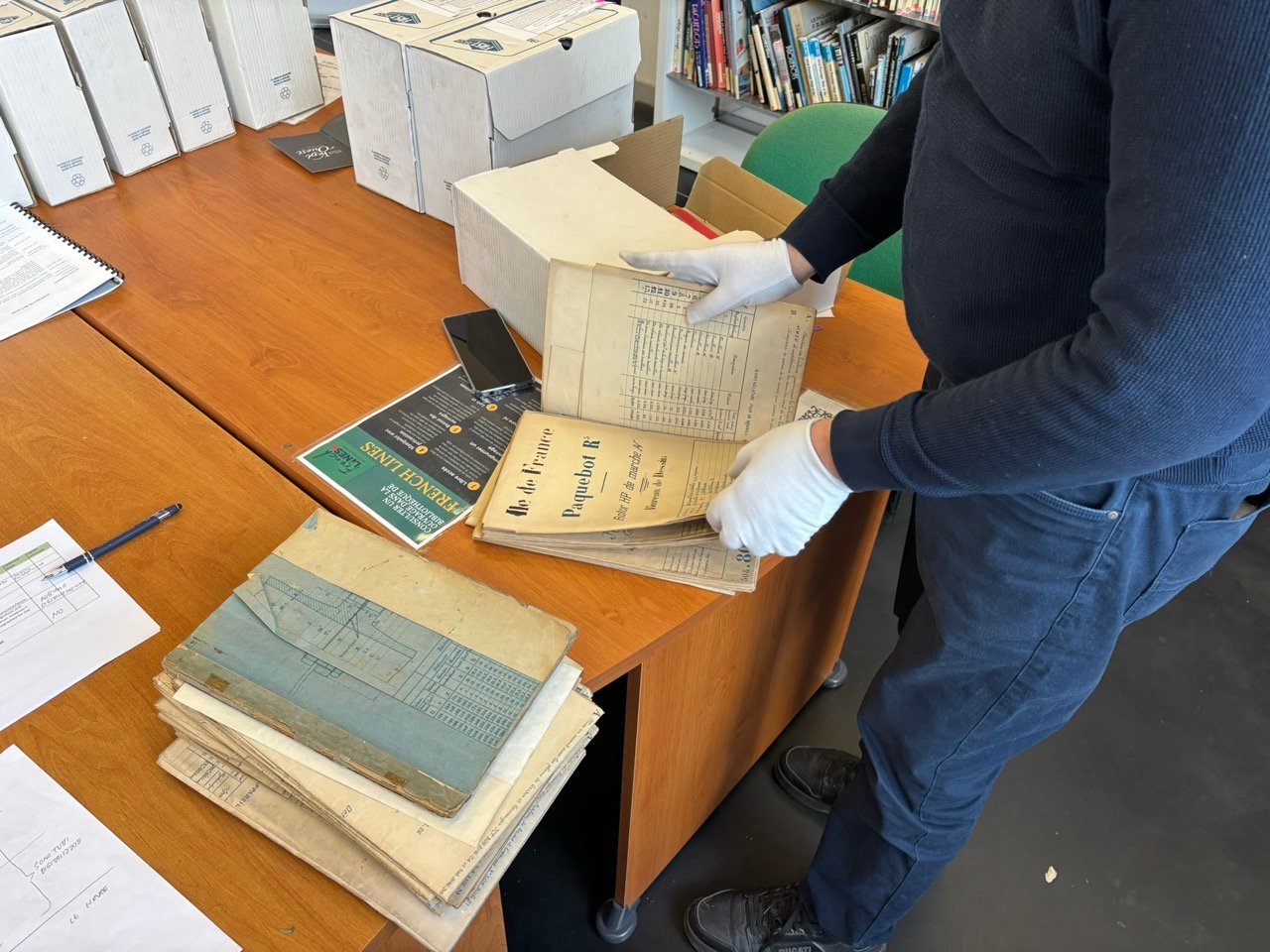
This project is the first book-length treatment of the career and legacy of the Île-de-France to use primary archival sources on the subject, much of which has never before been published. It offers a unique approach to material culture studies that, by and large, has not been extended to ocean liners over the past forty years of scholarship.
For thirty-one years, the S.S. Île-de-France was one of the most famous and beloved ships in the world. Celebrated for her glamorous Art Deco interiors and jazz age luxury, she was also a floating ambassador for France—hosting royalty, diplomats, artists, and refugees alike. During World War II she became the only major French ship to serve the Allied cause, and in the 1950s she earned international honors for a series of daring sea rescues, including the famous rescue of survivors from the sinking Andrea Doria.
Drawing on previously unpublished archival sources, this book tells the full story of the Île-de-France for the first time—how a single ship became a cultural phenomenon on both sides of the Atlantic, a symbol of French identity, and one of the most politically significant ocean liners of the twentieth century.
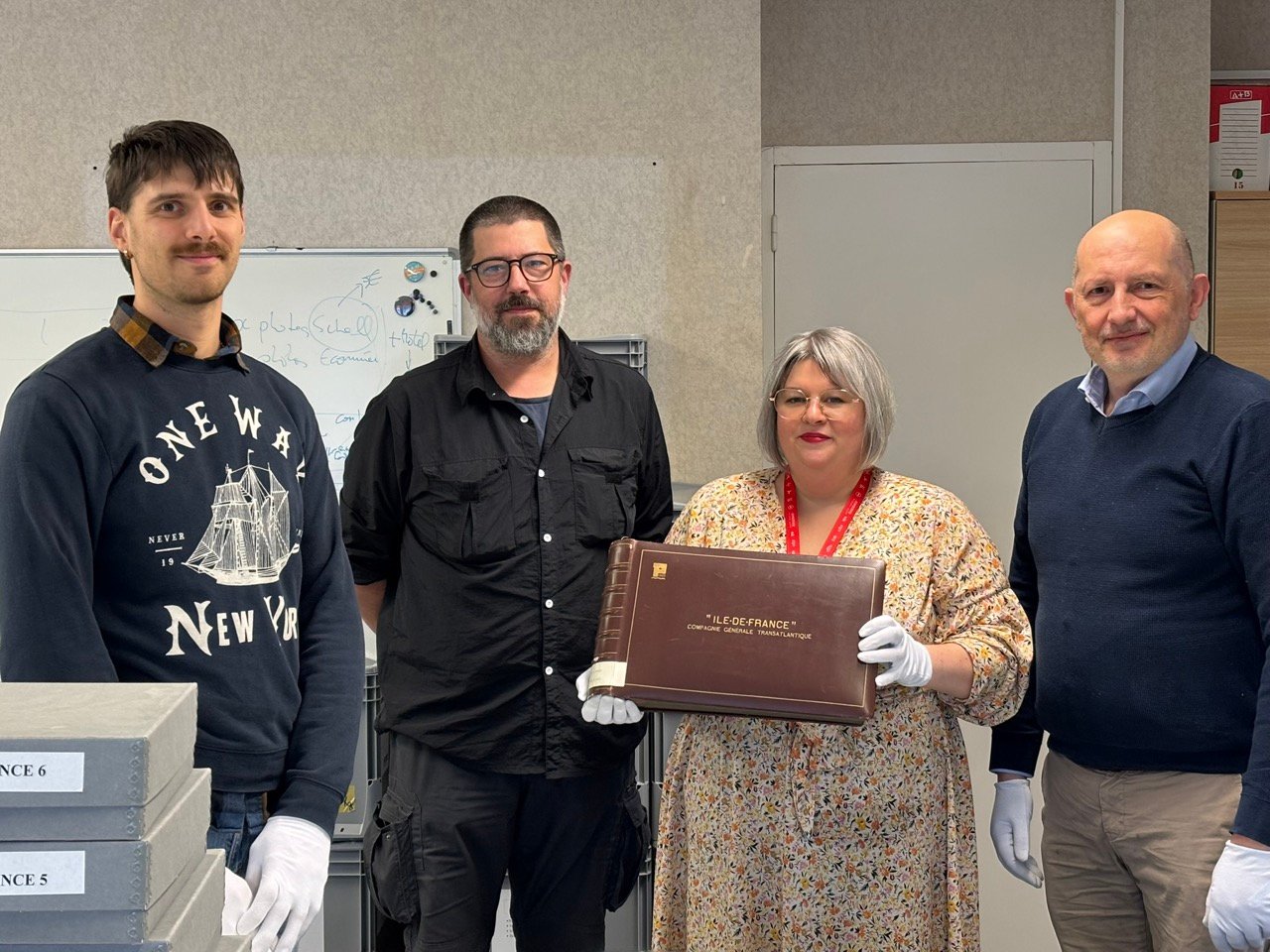
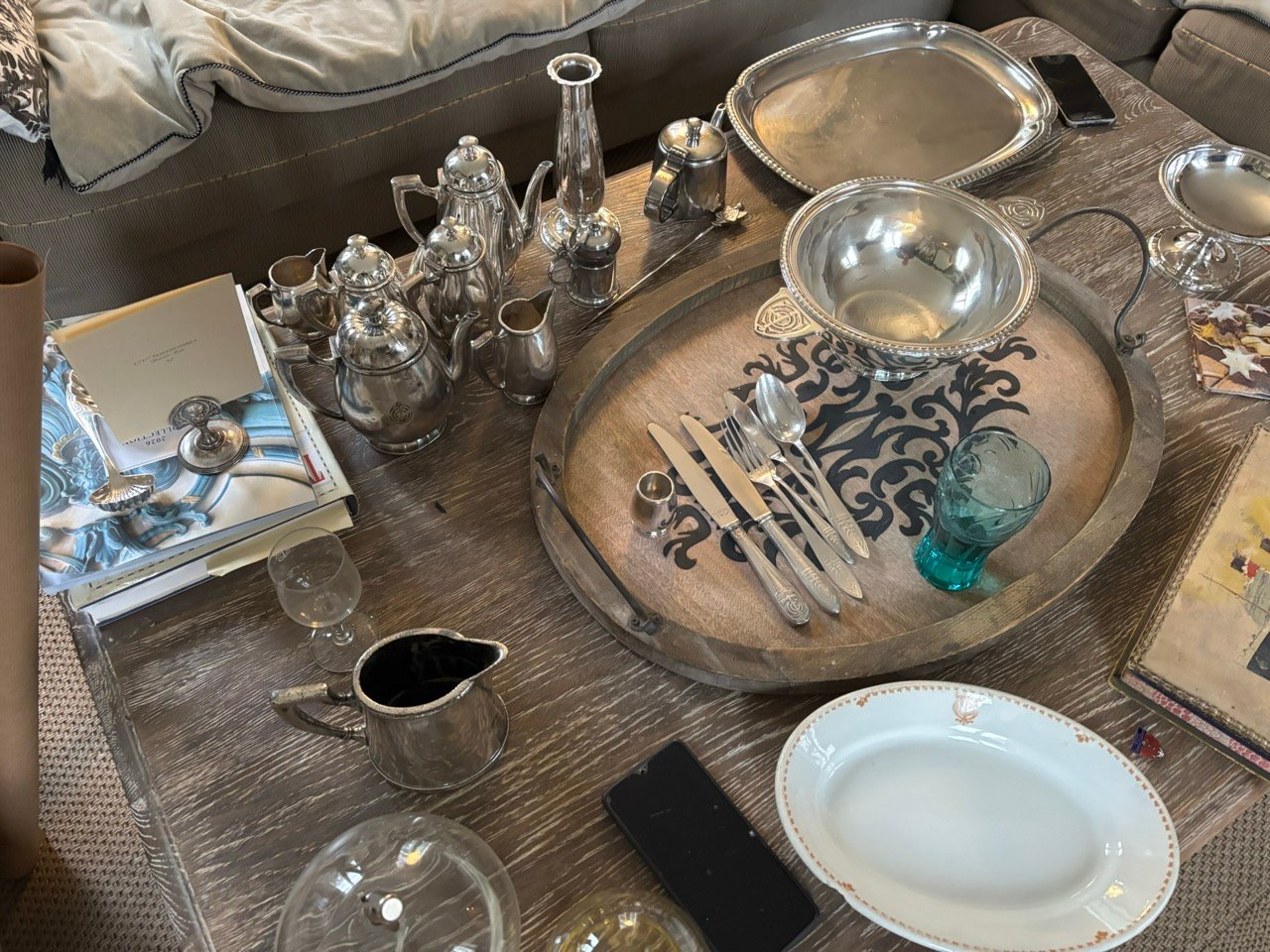
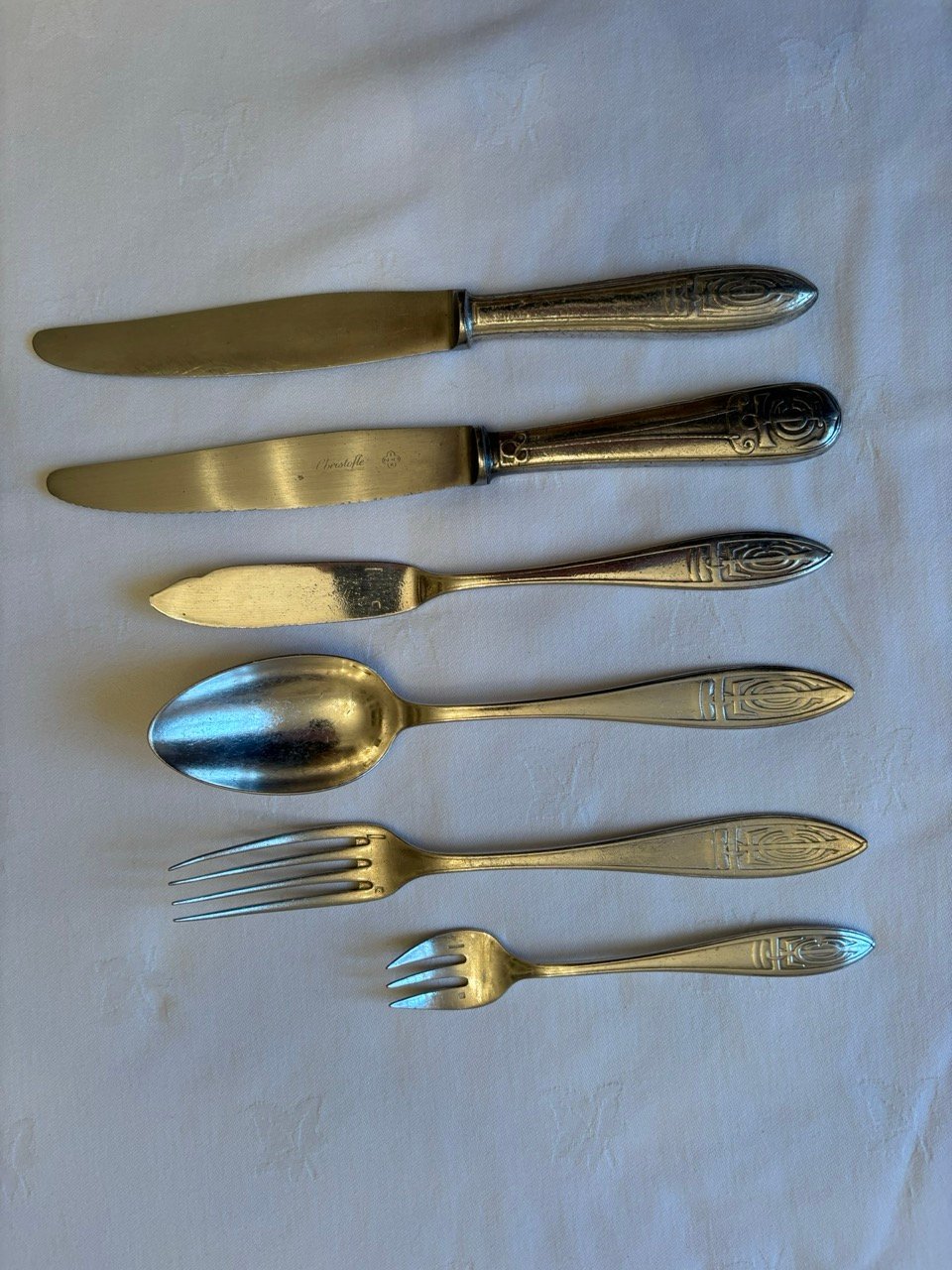
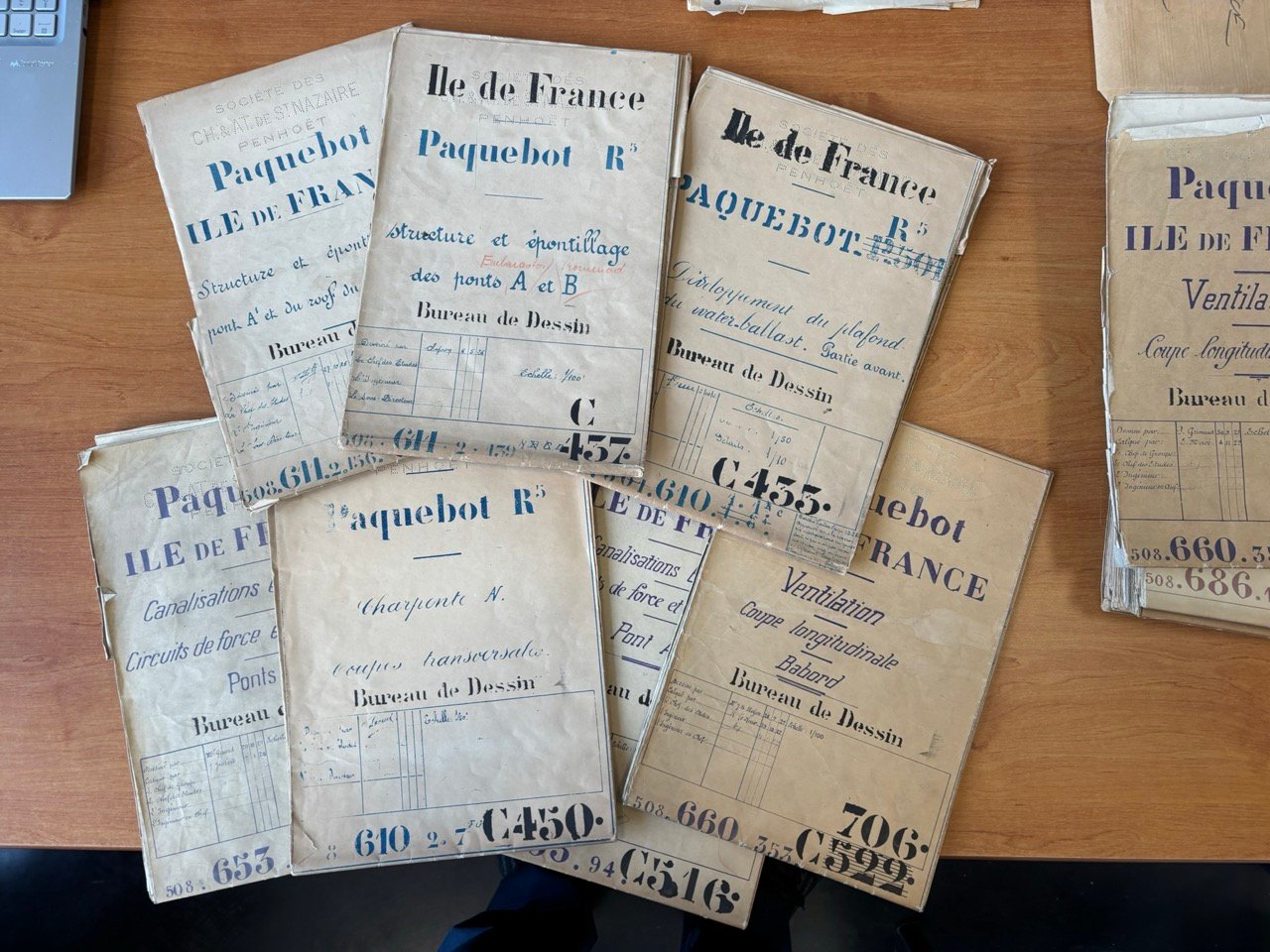
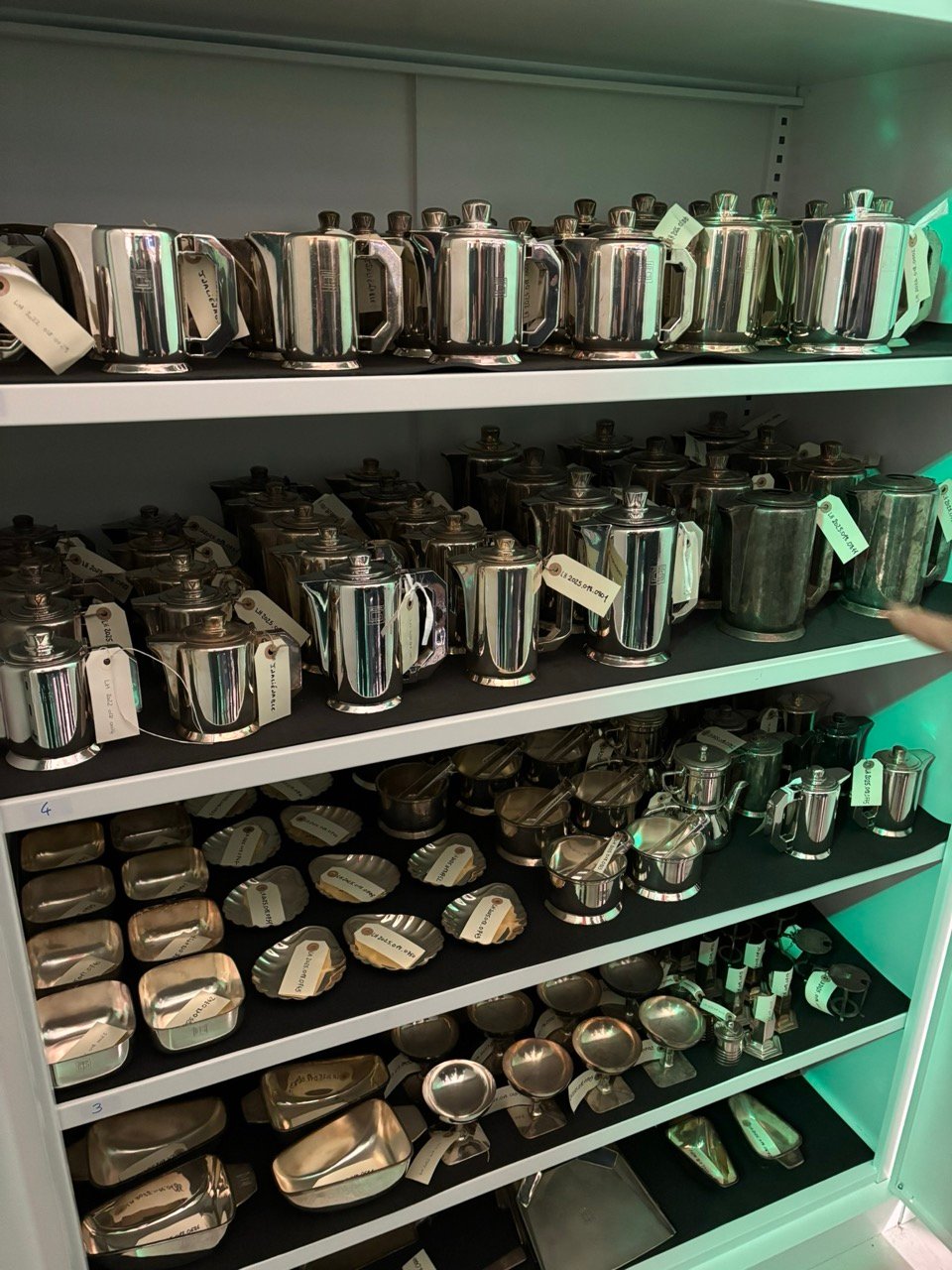
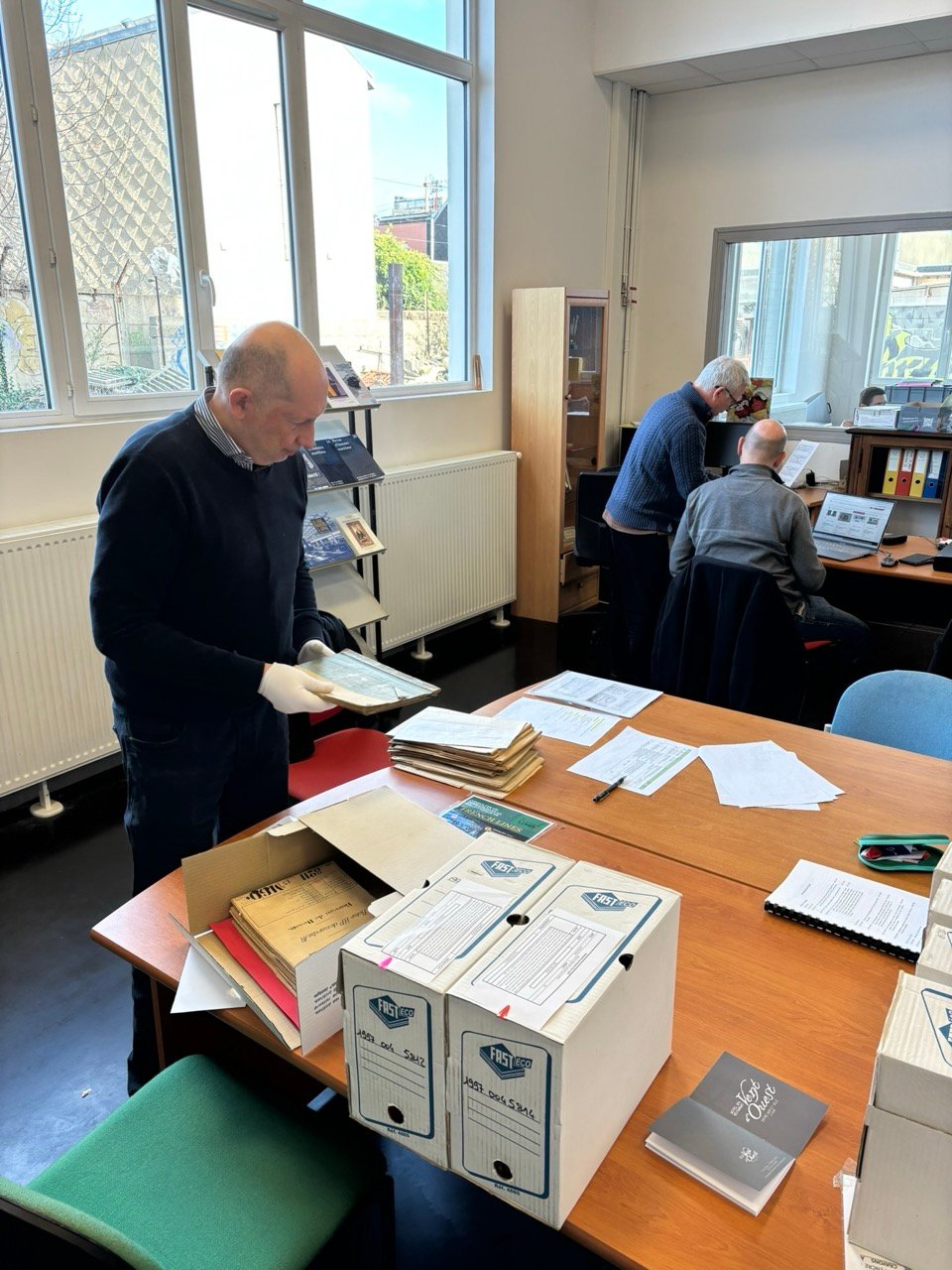
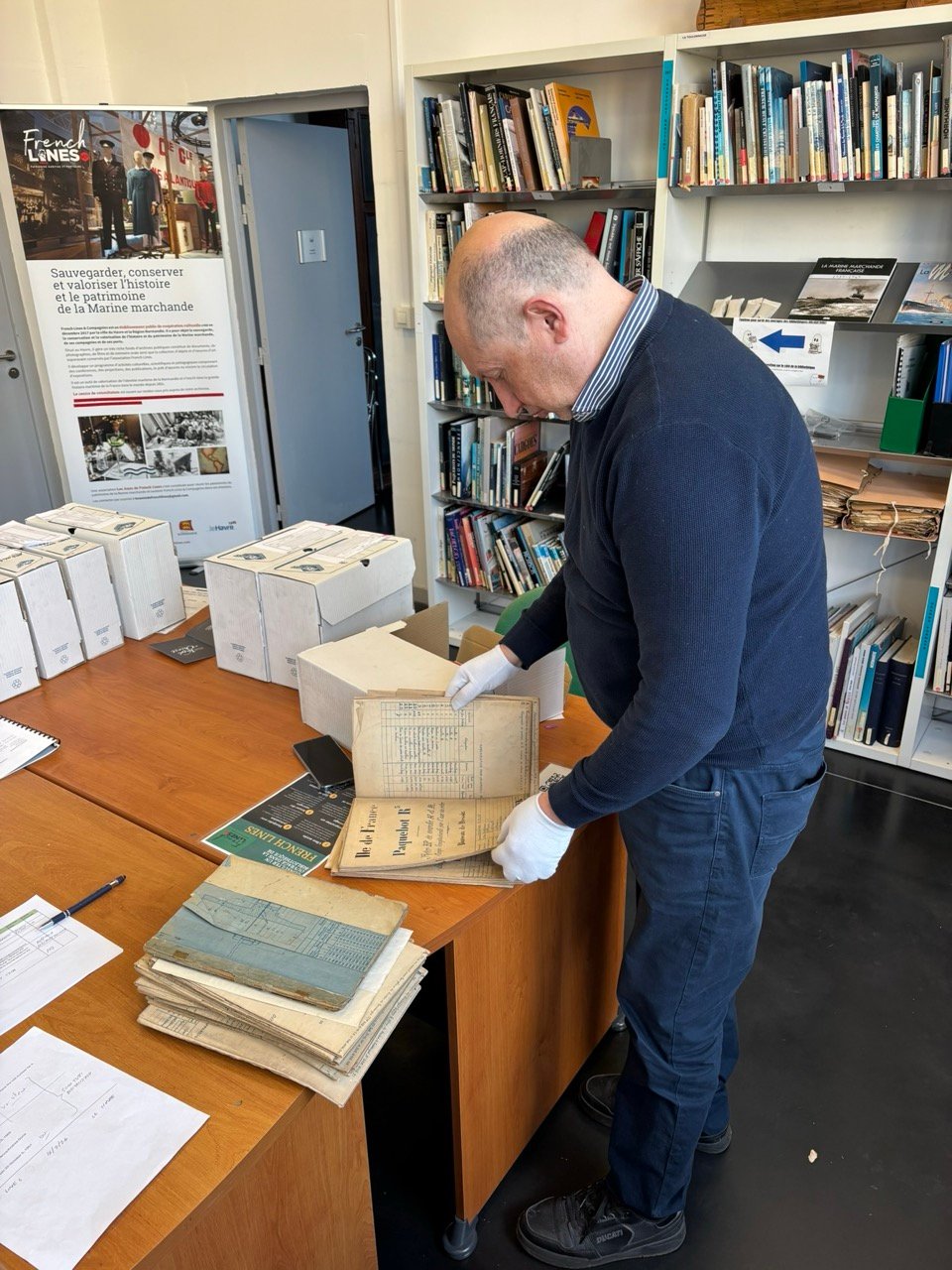
The authoritative text is accompanied by more than 400 photographs and illustrations, many never before published, including the builder’s working drawings, shipyard photographs, designer’s sketches, and personal albums.

About the Author
Christian Roden
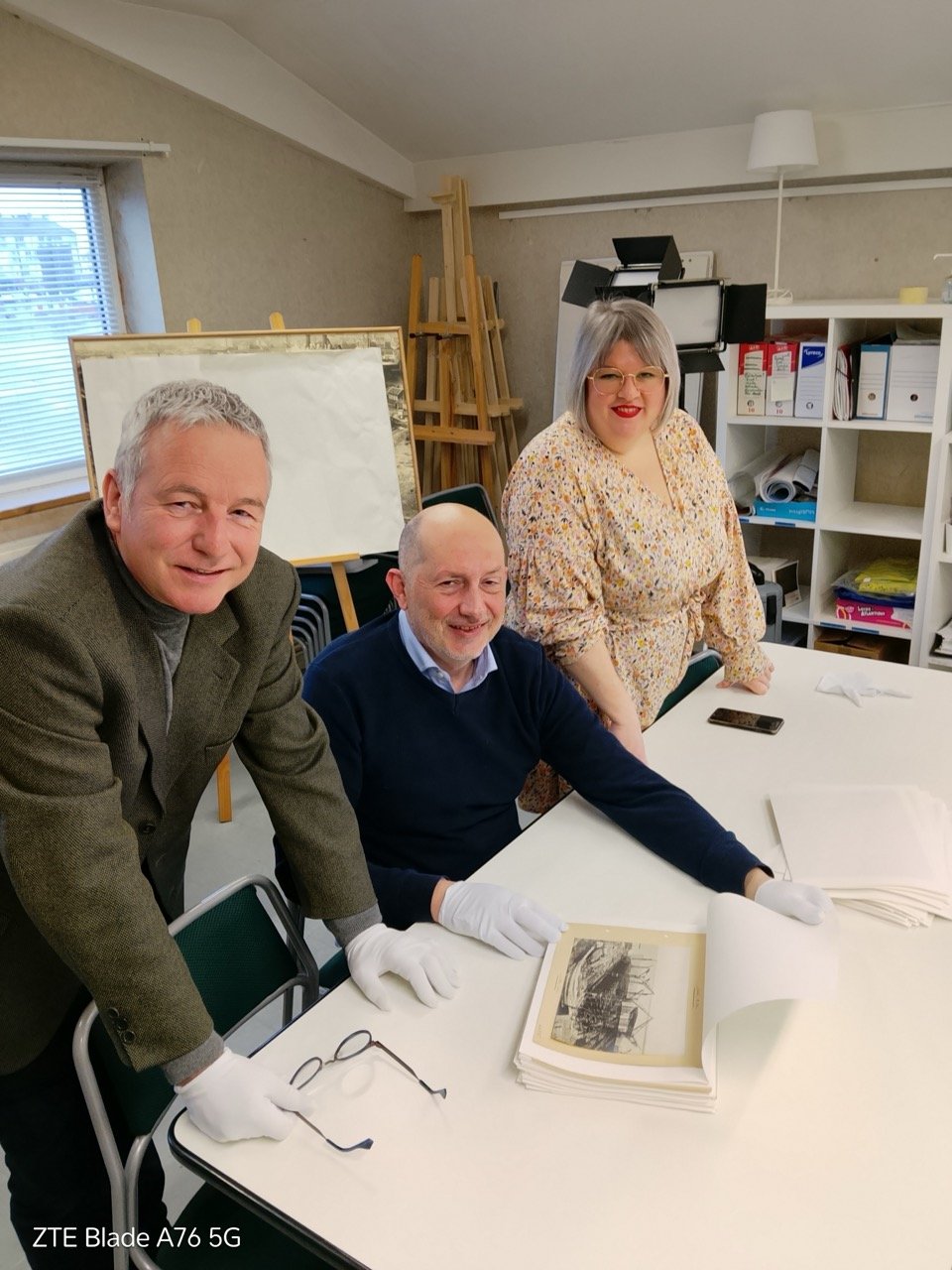
Christian Roden is an author, historian, and curator with a wide range of professional experience in the museum, cultural heritage, and higher education sectors. He has designed and curated museum exhibits, contributed to and appeared on the History Channel’s Secrets of the Lost Liners, and lectured across the United States and Europe. Alongside scholars and experts from across the globe, he participates in the Ocean Modern Advanced Research Group, an interdisciplinary academic exchange that seeks to concentrate more attention on the cultural side of maritime history. He holds an MA in Material Culture studies from the University of Delaware, and a BA in English, art history, and studio art from Washington & Lee University with additional studies at St. Anne’s College, Oxford, and École France Langue. After earning his BA he was selected Fulbright Research Fellow to France based at Association French Lines in Le Havre, which was the genesis of this book. Christian and his husband Norman live in Philadelphia.
Inside the Book
Chapter by Chapter
Chapter 1: The Idea of a Modern Liner
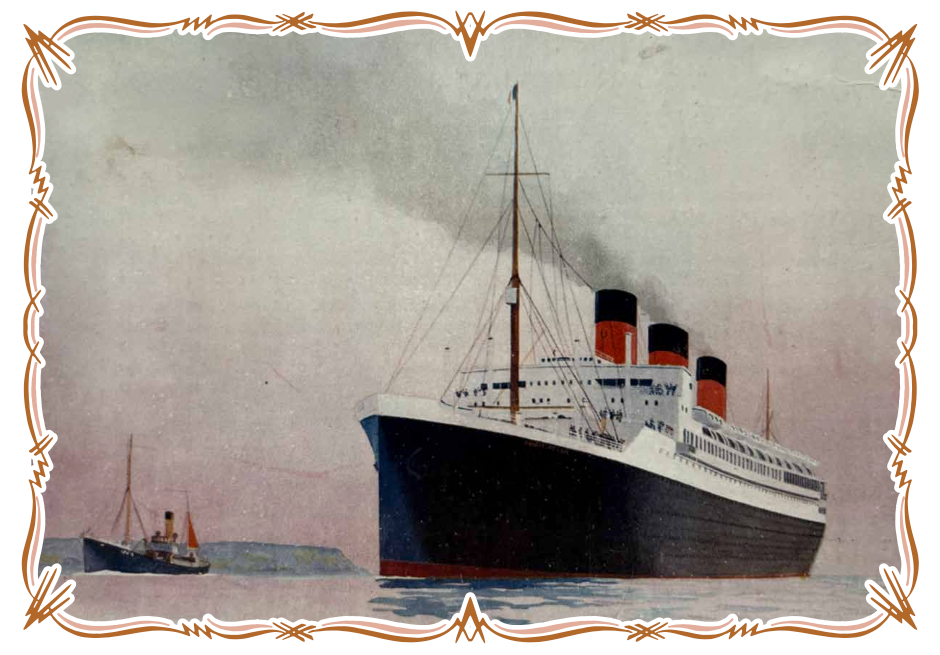
After World War I, the shipping industry faced an uncertain future as mass immigration to America dried up. John Dal Piaz, president of the French Line, saw an opportunity: rather than build a merely practical ship, he would create a floating showcase for modern French culture. He had the interiors designed and completed two years early so they could be displayed at the landmark 1925 Art Deco Exhibition in Paris—making the Île-de-France famous before she ever left port.
Chapter 2: Design for a New Era
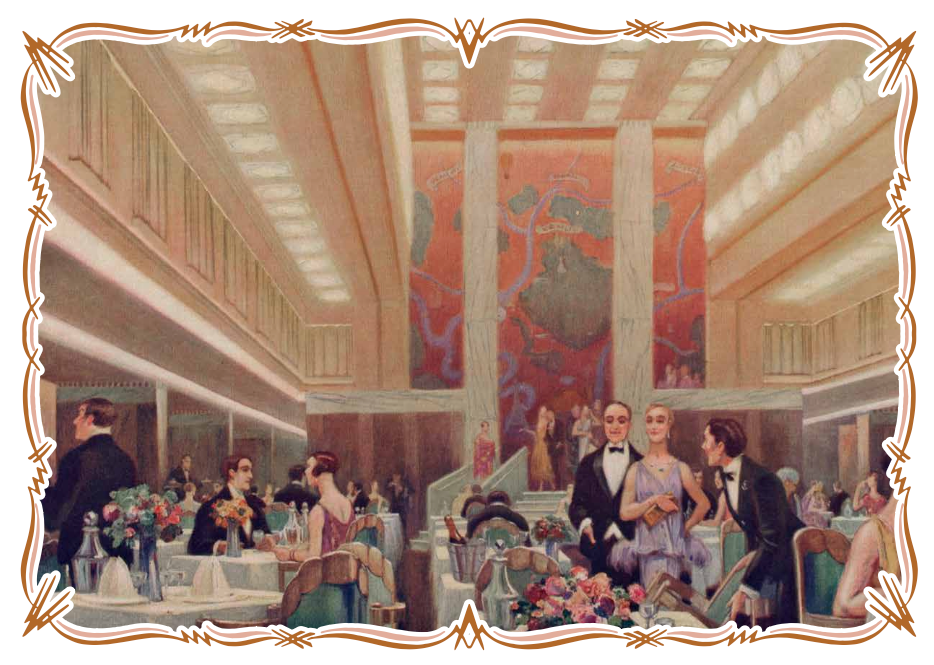
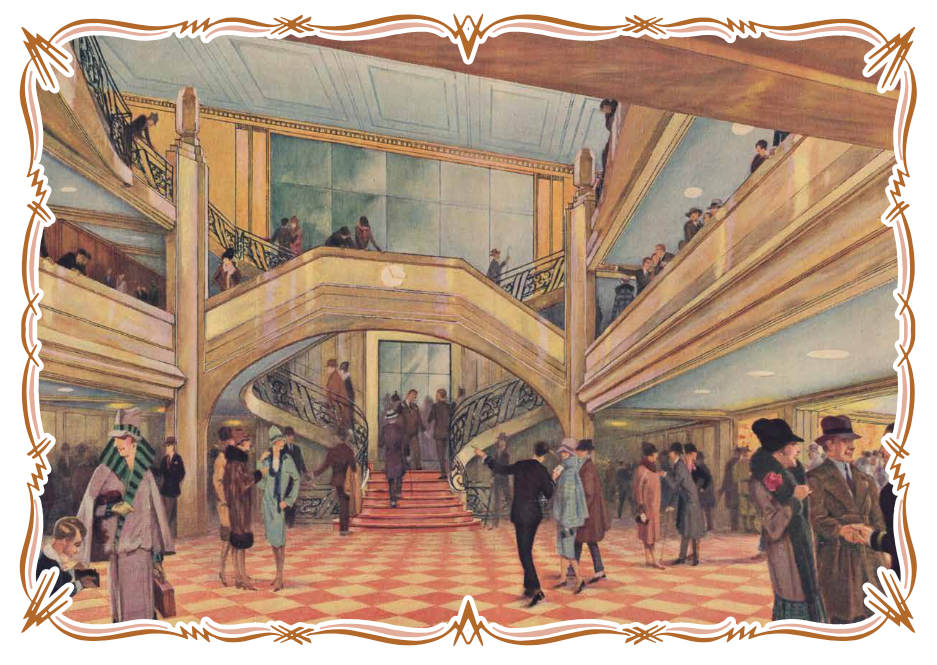
The Île-de-France was the first ocean liner to be decorated entirely in contemporary style, and her interiors were nothing short of revolutionary. This chapter tours her original passenger spaces—celebrated and overlooked alike—and introduces the architects and designers behind them, many of whom went on to become icons of modern art and architecture, even as their shipboard work has largely been forgotten.
Chapter 3: The Most Popular Ship in the World
During her first twelve years at sea, the Île-de-France became a cultural sensation. The French Line kept her in the spotlight with well-timed renovations and celebrity passengers, but much of her fame was organic—she inspired songs, films, and society parties, and offered a rare haven of equality for passengers of color like Marian Anderson. This chapter captures her prewar heyday through passenger stories, shipboard photographs, and her remarkable footprint in popular culture.
Chapter 4: A Ship at War
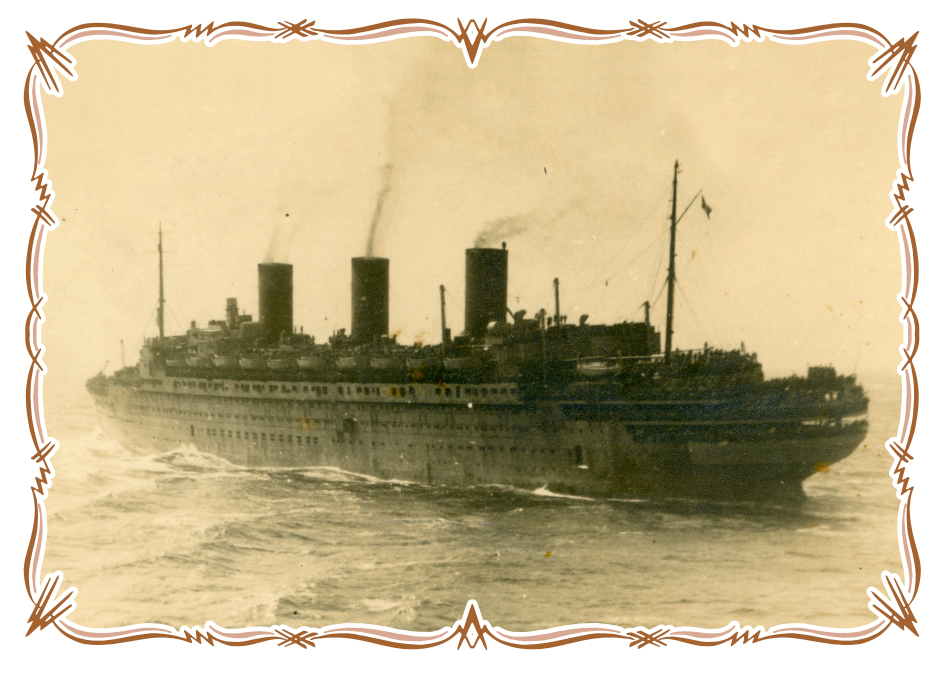
When World War II broke out, the Île-de-France was stranded in New York Harbor—until a fateful decision sent her back to Europe weeks before France fell to Nazi Germany. That choice made her the only major French liner to serve the Allies. This chapter follows her dangerous wartime voyages across the Pacific and Southern Hemisphere, the political tensions that divided her crew between Vichy and Free French loyalties, and a war’s end record of over 250,000 people transported.
Chapter 5: A Ship Reborn
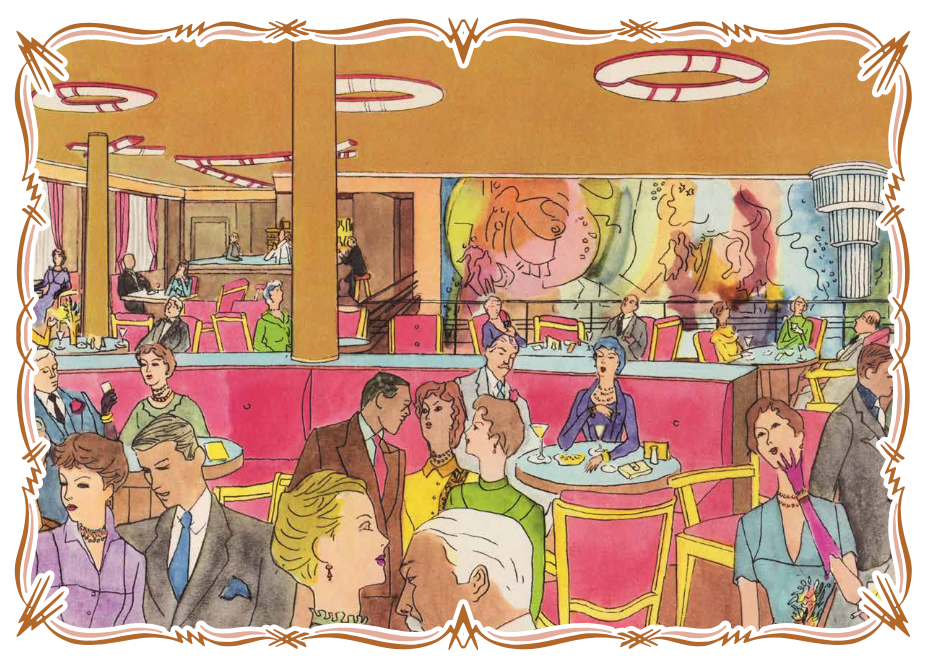
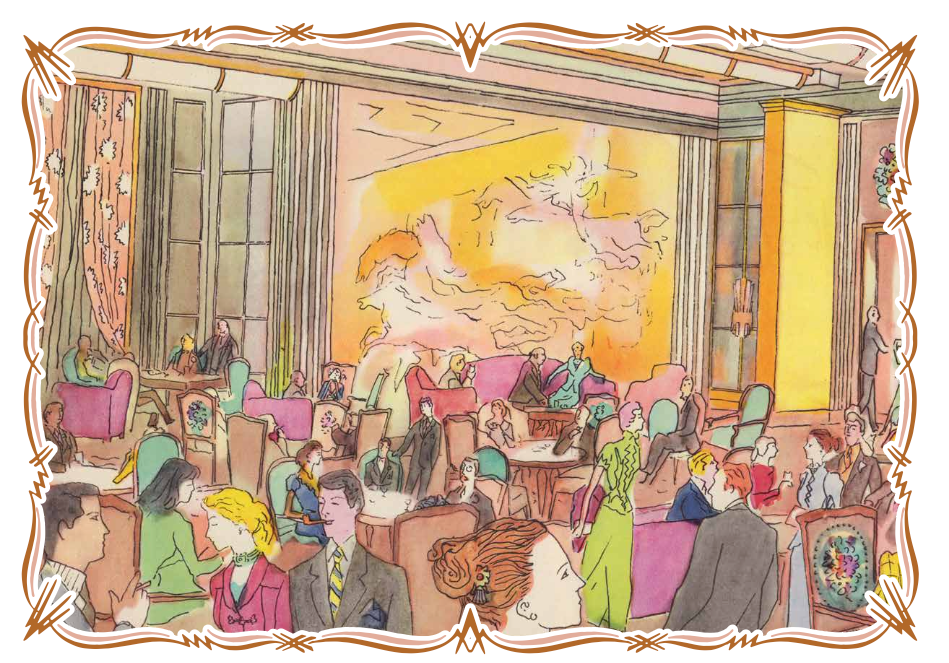
After the war, the French Line recognized that their ship had earned enormous goodwill around the world, and invested in a top-to-bottom renovation. The result was a second golden age: fresh interiors, a new profile, and a renewed place in popular culture. Once again she was the ship of choice for artists, politicians, and celebrities, featured in Broadway shows and Hollywood films—a postwar symbol of France’s resilience and style.
Chapter 6: A Ship Remembered
The Île-de-France’s most dramatic rescue—pulling survivors from the sinking Andrea Doria in 1956—made her a hero on two continents and earned rare honors from the French, American, and British governments. When she was retired two years later, the French Line refused to let her become a second-rate cruise ship, accepting only bids for scrapping. Her sale to a Japanese firm sparked an outpouring of public nostalgia and one of the first museum exhibitions ever dedicated to a single ship. A final twist came when her new owners leased her as a film set for the 1960 disaster movie The Last Voyage—outraging France, but producing a landmark of independent cinema and a forerunner of the disaster-film genre.
About Carmania Press
Carmania Press London
After a successful career in the City of London as a stockbroker, in 1991, Anthony Cooke decided to found Carmania Press, à publishing company specialised in maritime history. Since then, Carmania Press has published more than 30 books and, from 2021, it became the property of one of its main authors, Maurizio Eliseo, and it’s now based in Italy.
The aim of Carmania Press London is to publish the best possible books in the field, mainly devoted to ocean liners. Despite being a small business, Carmania Press is devoted to quality, in every possible respect: content, iconography and print production. The aim is just that if you buy a book by Carmania Press, you’ll never regret it and the book will remain in your bookshelf or library for ever. Carmania Press is maniacal in all steps of the publication process: research, text, content, printing etc.
Carmania Press and its present owner, Maurizio Eliseo, privileges top quality results and printing “definitive books”.
S.S. Île-de-France: the First Art Deco Ocean Liner
Pre-Order
To reserve a preorder of the volume, please complete the form below. You will be contacted with confirmation and further instructions to finalize your order.
Copyright © Carmania Press London 2026. All Rights Reserved
info@carmaniapress.com